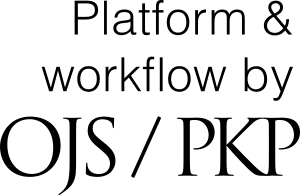
Preparing Popular-Music Singers for Advanced Stage Performance: A Conceptual Framework Integrating Vocal Technique, Stylistic Interpretation, And Performance Readiness
DOI:
https://doi.org/10.65150/EP-jsshrs/V2E11/2026-05Keywords:
popular music, vocal performance, performance readiness, vocal health, music performance anxiety, STAGE framework.Abstract
Advanced popular-music performance is a multidimensional practice in which vocal coordination, stylistic interpretation, ensemble responsiveness, stage communication, and sustainable preparation operate as interdependent competencies. This article develops a practice-oriented conceptual framework for preparing popular-music singers for demanding live performance. An interpretive review synthesises scholarship on popular-music voice teaching, informal learning, deliberate practice, occupational voice care, performance anxiety, and music-performance assessment. The analysis does not use a new performance sample, interviews, physiological measurements, or competition records. It identifies five interrelated domains of readiness and four recurring tensions: technical consistency versus stylistic identity; vocal display versus song communication; stage polish versus credible expression; and performance ambition versus sustainable practice. The proposed STAGE framework-Style analysis, Technical coordination, Artistic interpretation, Gesture and audience communication, and Evaluation and readiness-organises these domains into a cyclical preparation process. It translates general aspirations into explicit learning tasks and review evidence while resisting the reduction of artistic quality to a single score. STAGE is a conceptual proposal, not an empirically validated model; subsequent research should examine its feasibility and explanatory value across coaching, rehearsal, live-performance, and competition contexts.
References
1) Barros, S., Marinho, H., Borges, N., & Pereira, A. (2022). Characteristics of music performance anxiety among undergraduate music students: A systematic review. Psychology of Music, 50(6), 2021–2043. https://doi.org/10.1177/03057356211066967
2) Blair, E., & van der Sluis, H. (2022). Music performance anxiety and higher education teaching: A systematic literature review. Journal of University Teaching and Learning Practice, 19(3). https://doi.org/10.53761/1.19.3.05
3) Ericsson, K. A., Krampe, R. T., & Tesch-Römer, C. (1993). The role of deliberate practice in the acquisition of expert performance. Psychological Review, 100(3), 363–406. https://doi.org/10.1037/0033-295X.100.3.363
4) Green, L. (2002). How popular musicians learn: A way ahead for music education. Ashgate.
5) Keskinen, K. A., & Juntunen, M.-L. (2024). Perspectives on popular music voice teaching: A systematic mapping review of recent literature. Journal of Popular Music Education, 8(2), 135–155. https://doi.org/10.1386/jpme_00139_1
6) Keskinen, K. A., Juntunen, M.-L., & Nerland, M. (2024). Expanding professionalism in popular music voice teaching: A framework synthesis. Research Studies in Music Education, 46(3), 420–455. https://doi.org/10.1177/1321103X231223414
7) Mazzarolo, I., Burwell, K., & Schubert, E. (2023). Teachers’ approaches to music performance anxiety management: A systematic review. Frontiers in Psychology, 14, Article 1205150. https://doi.org/10.3389/fpsyg.2023.1205150
8) Morawska, J., Niebudek-Bogusz, E., & Pietruszewska, W. (2022). Considerations and demands in the voice care of contemporary commercial singers in occupational health and safety aspects. Medycyna Pracy, 73(1), 33–41. https://doi.org/10.13075/mp.5893.01201
9) Morawska, J., Pietruszewska, W., Politański, P., & Niebudek-Bogusz, E. (2024). Population characteristics and self-assessment of speaking and singing voice in Polish contemporary commercial music singers: An exploratory, cross-sectional study. Frontiers in Public Health, 12, Article 1256152. https://doi.org/10.3389/fpubh.2024.1256152
10) Wang, Y., & Lan, Y. (2026). The dual roles of social support and coping in music performance anxiety: A systematic review of evidence from music students and professional musicians. Frontiers in Psychology, 17, Article 1904694.
https://doi.org/10.3389/fpsyg.2026.1904694
11) Wesolowski, B. C. (2012). Understanding and developing rubrics for music performance assessment. Music Educators Journal, 98(3), 36–42. https://doi.org/10.1177/0027432111432524
Downloads
Published
Issue
Section
License
Copyright (c) 2026 Do Thi Lam (Author)

This work is licensed under a Creative Commons Attribution 4.0 International License.